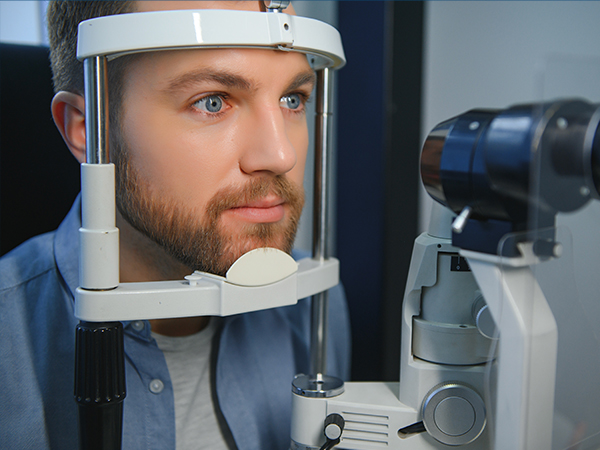


Binocular Vision Dysfunction (BVD) is a condition that occurs when the eyes are slightly misaligned, forcing them to work harder to create a single, clear image. This constant effort strains the visual system and can trigger a wide range of physical symptoms that often go undiagnosed or mistaken for other health issues.
According to the American Optometric Association (AOA), “Binocular vision dysfunctions can significantly affect patients’ quality of life, often negatively impacting work and scholastic performance.” These impairments can affect individuals of all ages and may result from developmental issues, neurological conditions, or head trauma.
AOA experts note that “Binocular vision impairments impact quality of life and can make patient participation in tasks of daily living impossible.” Proper diagnosis begins with understanding how the eyes function together as a team, a process often missed in standard vision screenings.
How Can BVD Cause Headaches and Dizziness?
When the eyes are even slightly misaligned, they send conflicting visual signals to the brain. The brain then works overtime to merge these two images into one, which can cause chronic strain on the visual and vestibular systems.
The NeuroVisual Medicine Institute reports that “At least 20% of the world’s population suffers from eye misalignment.” This eye-brain mismatch can disrupt balance, depth perception, and posture, leaving patients feeling disoriented or fatigued.
In Spokane, many people who experience recurring BVD headaches or BVD dizziness describe symptoms that seem to appear without a clear cause, especially after reading, driving, or using digital devices. These subtle visual imbalances can create significant daily discomfort and confusion if not properly diagnosed.
What Are the Most Common Symptoms of BVD?
BVD symptoms vary by individual, but they frequently overlap with neurological or vestibular conditions. Because of this, many patients spend years searching for answers before discovering that their eyes, not their brain or inner ear, are the root cause.
Common BVD symptoms include:
Chronic BVD headaches or migraines
Dizziness or poor balance
Light sensitivity and motion sickness
Eye strain or fatigue while reading
Difficulty focusing or concentrating
Nausea and neck tension
Anxiety in visually busy environments
How Is Binocular Vision Dysfunction Diagnosed?
BVD is diagnosed through a NeuroVisual™ Exam, a specialized evaluation that goes beyond a standard eye test. This exam measures subtle misalignments, which is often missed in routine exams, and evaluates how well the eyes work together.
A NeuroVisual exam in Spokane uses precision testing to identify vertical heterophoria or other alignment issues that cause symptoms like dizziness and headaches. These findings guide treatment with customized prism glasses designed to realign the visual system and reduce strain.
Can You Have BVD Even with 20/20 Vision?
Yes. Many people with binocular vision dysfunction have perfect eyesight on a standard eye chart. Having 20/20 vision only measures how clearly each eye sees, it doesn’t assess how well the two eyes work together.
Even a misalignment as small as a millimeter can create BVD dizziness, blurred vision, or headaches. Vertical heterophoria, a common type of BVD, occurs when one eye is slightly higher than the other, forcing the brain to constantly adjust. This subtle imbalance can cause fatigue and discomfort even when traditional eye exams show no problems.
What Treatments Help Relieve BVD Symptoms?
Treatment for binocular vision dysfunction is non-surgical and highly effective. The cornerstone of care involves prescribing customized prism glasses, which gently shift images so the eyes no longer have to overcompensate for misalignment.
The NeuroVisual Medicine Institute reports that patients experience an “average of 80% reduction in BVD symptoms with precision microprism lenses.” These lenses are specifically calibrated during the NeuroVisual Exam to provide near-immediate relief for most patients.
For Spokane residents dealing with BVD headaches, dizziness, or eye strain, this treatment can dramatically improve quality of life, restoring comfort, balance, and focus in daily activities.
When Should You See a NeuroVisual™ Specialist in Spokane?
If you’ve been treated for chronic headaches, dizziness, or balance issues without lasting relief, a NeuroVisual exam in Spokane may help identify the missing link.
The AOA notes, “Binocular vision impairments are best treated by optometrists because these are often non-surgical problems that drastically impede visual performance.”
Anyone struggling with unexplained dizziness, difficulty reading, or motion sensitivity should consider a specialized neurovisual evaluation. Early diagnosis and treatment can prevent long-term discomfort and restore confidence in daily tasks like driving, reading, and working.
Schedule a NeuroVisual™ Exam at Eyes for Life in Spokane to find out if BVD could be behind your symptoms.
Sources
American Optometric Association. Align Your Team on Binocular Vision Disorders. AOA.org. 2022 Oct 13. https://www.aoa.org/news/clinical-eye-care/diseases-and-conditions/align-your-team-on-binocular-vision-disorders.
NeuroVisual Medicine Institute. Program Overview and Clinical Resources. 2024. https://nvminstitute.org/.